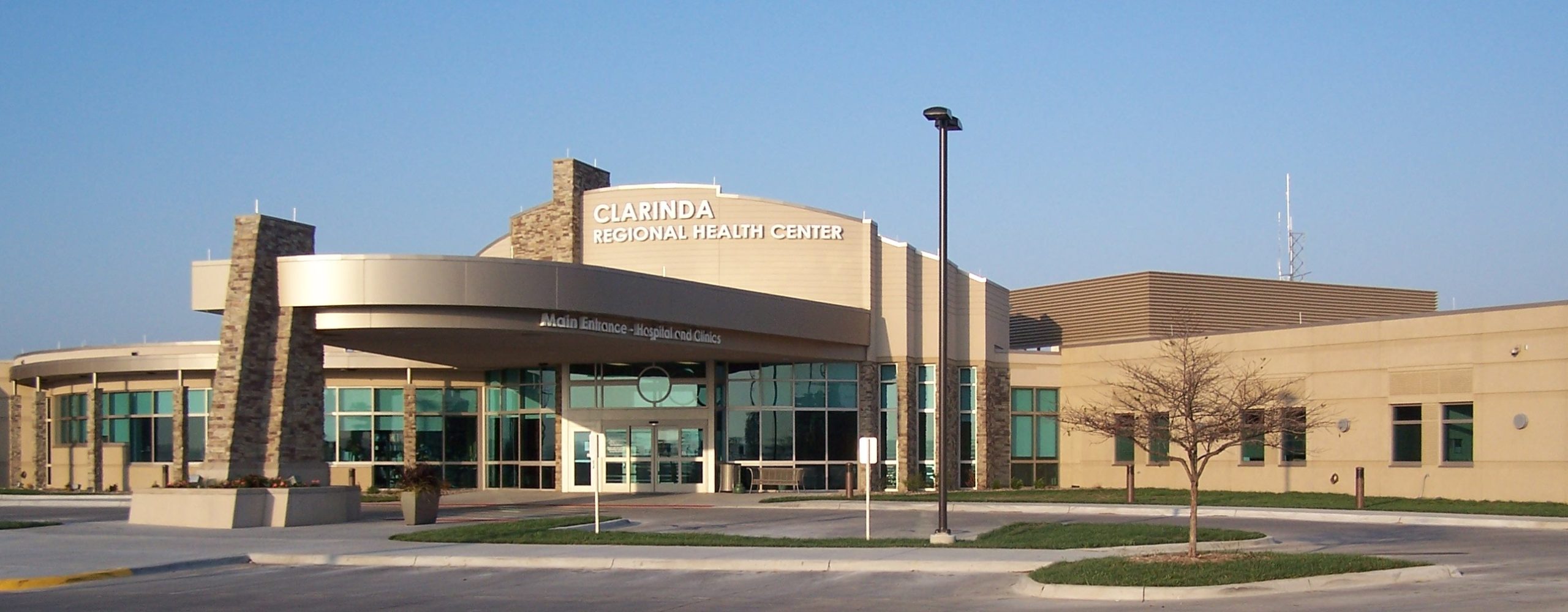
April is Occupational Therapy Month, which is a great time to highlight the important role occupational therapists play in helping people live independently and regain their quality of life.
Emily Luke, Occupational Therapist at Clarinda Regional Health Center works with patients of all ages, helping them return to the activities that matter most—especially during some of life’s most challenging moments.
What is Occupational Therapy?
• Many people hear “Occupational Therapy” and think it only relates to returning to work.
• In reality, OT focuses on helping people participate in meaningful daily activities—also called “occupations.”
• This can include things like:
o Getting dressed
o Cooking meals
o Bathing and personal care
o Driving
o Spending time with family or enjoying hobbies
• The goal is to help patients regain independence, confidence, and function after illness, injury, or surgery.
Who Occupational Therapy Helps
• Occupational therapy supports individuals of all ages—from children to older adults.
• At Clarinda Regional Health Center, we work with patients recovering from:
o Stroke
o Injuries or surgeries
o Neurological conditions
o Upper extremity injuries (shoulder, elbow, hand)
o Swelling conditions like lymphedema
o Developmental delays and pediatric needs
• Every therapy plan is individualized and centered around each patient’s personal goals.
Specialized Services at CRHC
Aging in Place
• Helps patients remain safely in their homes as they age
• Includes home safety education, fall prevention, and adaptive equipment recommendations
Mobility & Strengthening
• Treatment for fractures, tendon injuries, and joint pain
• Focus on restoring strength, coordination, and daily function
• Custom and prefabricated splinting options available
Neurological Rehabilitation
• Supports recovery after stroke or neurological conditions
• Focus on coordination, movement, and daily task performance
Lymphedema Management
• Certified in Comprehensive Lymphedema Management
• Focus on reducing swelling, improving comfort, and teaching self-management
Driver’s Assessment
• Evaluates cognition, vision, reaction time, and safety for driving
• Helps determine readiness to return to driving or need for further evaluation
Wheelchair Evaluations
• Personalized assessments to ensure proper fit and function
• Assistance with equipment selection and Medicare documentation
Pediatric Intervention
• Support for handwriting, sensory needs, and developmental delays
• SOS Feeding Therapy for children with feeding challenges
• Caregiver education and support