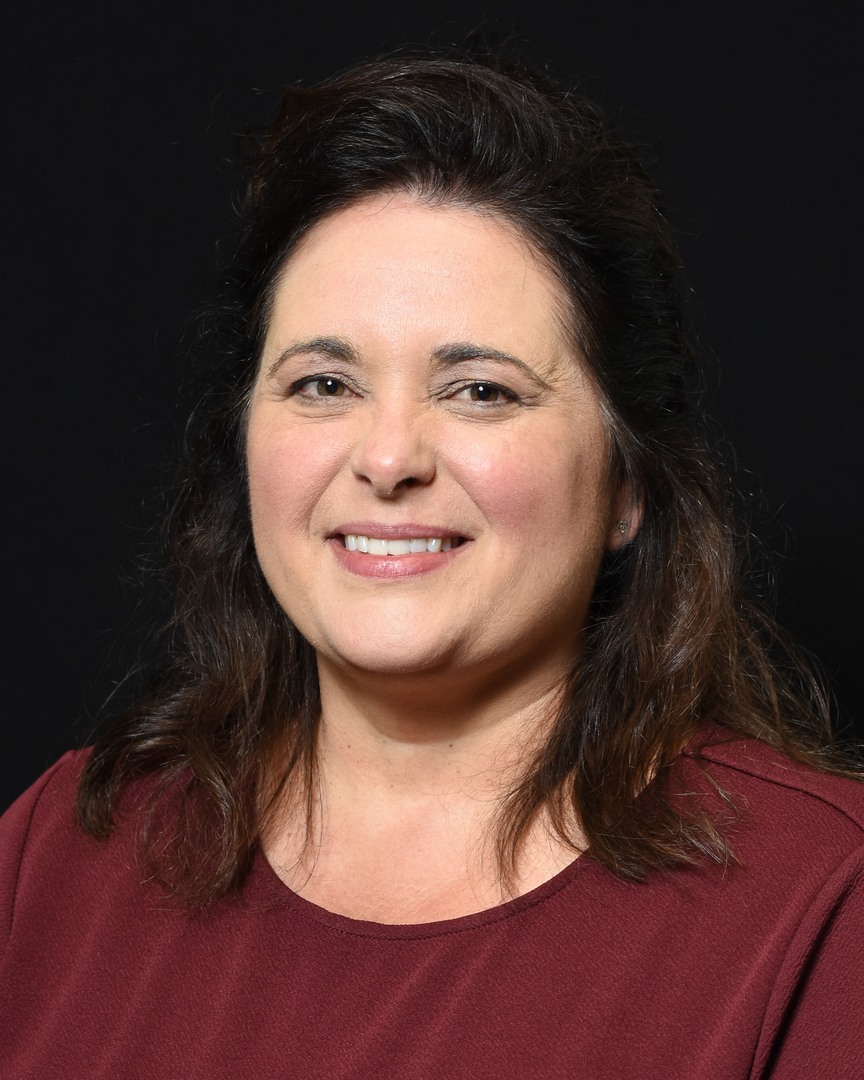
Shenandoah Community School District Superintendent Dr. Kerri Nelson said the first days of the 2026-27 school year have gone well, with staff settled, families turning out for open house, and students already back into routine
First days focused on routines
Students returned Monday, Aug. 24, with two-hour early dismissals Monday and Tuesday. Wednesday, Aug. 26, was also an early-out day, with a full schedule resuming Thursday.
Nelson said the smoother start begins a year earlier, when the calendar is set, and continues when staff return a full week before students — longer than the one or two days the district used in the past. That week is used for transportation details, curriculum, classroom setup, and getting everyone on the same page.
Summer work: signs, systems, and flood repairs
Visitors will notice a new sign at the front of campus and directional signs at parking-lot entrances. Those were donated by the Shenandoah Iowa Education Foundation. “We probably wouldn’t have been able to invest the funds without them,” Nelson said. “If you haven’t seen them, it’s worth the drive.”
Construction this summer was lighter than in some recent years. Nelson said the district did some roof patching rather than a full roof replacement and spent part of the summer on flood mitigation after early-summer flooding, including work on backflow pumps.
Behind the scenes, the district launched a redesigned website that Nelson described as more contemporary and easier to navigate than the older, darker site. Families can find it at shencsd.com. The district also moved to a Zoom-based phone system.
Fall sports are already underway. Tennis, volleyball, football, and cross country are on the calendar, including a large cross country meet the night before the interview. “If you’re in town and you’re bored, it’s because you haven’t looked at the school calendar,” Nelson said.
Sept. 8 PPEL vote
Voters in the Shenandoah Community School District will decide a PPEL question on Tuesday, Sept. 8. PPEL is a voter-approved levy used for buildings, equipment, technology, and related capital needs — not salaries.
Nelson said Shenandoah has had a voted PPEL since the levy was created in the 1990s and that the community has been a strong supporter. The last vote passed with more than 80 percent support, she said. The district is asking for authority to levy up to $1.34 per $1,000 of taxable valuation. That rate is already part of the district’s levy and is not a new tax. The board reviews the amount each year and has sometimes levied the full $1.34 and sometimes less, using a mix of property tax and income surtax.
On the high end, the voted PPEL generates about $840,000 a year, Nelson said. Without it, that drops to about $140,000. She said one section of heat-pump work can run $500,000 to $600,000, and repairing the K-8 parking lot would take about a full year of PPEL funding. A roof on the K-8 building previously cost more than $700,000.
Several projects have been delayed while the district waits to confirm PPEL funding, including parking-lot repairs and continued HVAC and heat-pump replacements at the K-8 building. “If you don’t take care of that, you lose your ability to heat and cool your building,” she said.
Nelson also tied the vote to changes in Secure an Advanced Vision for Education, or SAVE, dollars. She said lawmakers reduced and repurposed some SAVE funds, which will cost the district about $84,000 a year. That loss, she said, makes PPEL more important.
The district’s approach over the past decade, she said, has been to use PPEL and SAVE to keep buildings in good repair and rely less on bond issues. PPEL must be renewed by voters every 10 years. Larger projects also go through public hearings.